
Recent U.S. Food and Drug Administration import alert updates are drawing renewed attention to food safety and supplier verification requirements for animal feed entering the U.S. market.
FDA’s current animal feed import alert listings include controls related to Salmonella contamination, foreign supplier verification, pesticides, mycotoxins and other potential food safety risks. In August 2026, the agency’s listings included an animal food alert related to Salmonella and an alert covering human and animal foods imported under non-compliant Foreign Supplier Verification Programs.
Import Alert 71-04 covers food for animals associated with the presence of Salmonella and allows detention without physical examination, commonly referred to as DWPE, for products or firms meeting the alert criteria. FDA’s current listing shows the alert updated on August 13, 2026.
For feed manufacturers and exporters, microbial control therefore remains an important part of production and quality management.
Raw material inspection, hygienic production, storage management and finished-product testing can all play a role in reducing contamination risks and supporting consistent feed safety.
FDA Import Alert 99-41 focuses on foods imported from foreign suppliers where importers are not complying with Foreign Supplier Verification Program requirements.
Under the FSVP framework, U.S. importers are required to carry out risk-based verification activities to help confirm that foreign suppliers produce food in accordance with applicable U.S. safety requirements. The current alert was published on August 20, 2026.
For overseas manufacturers, this makes cooperation with importers especially important. Customers may increasingly request production records, specifications, certificates, test reports and other supporting documents as part of their supplier approval process.
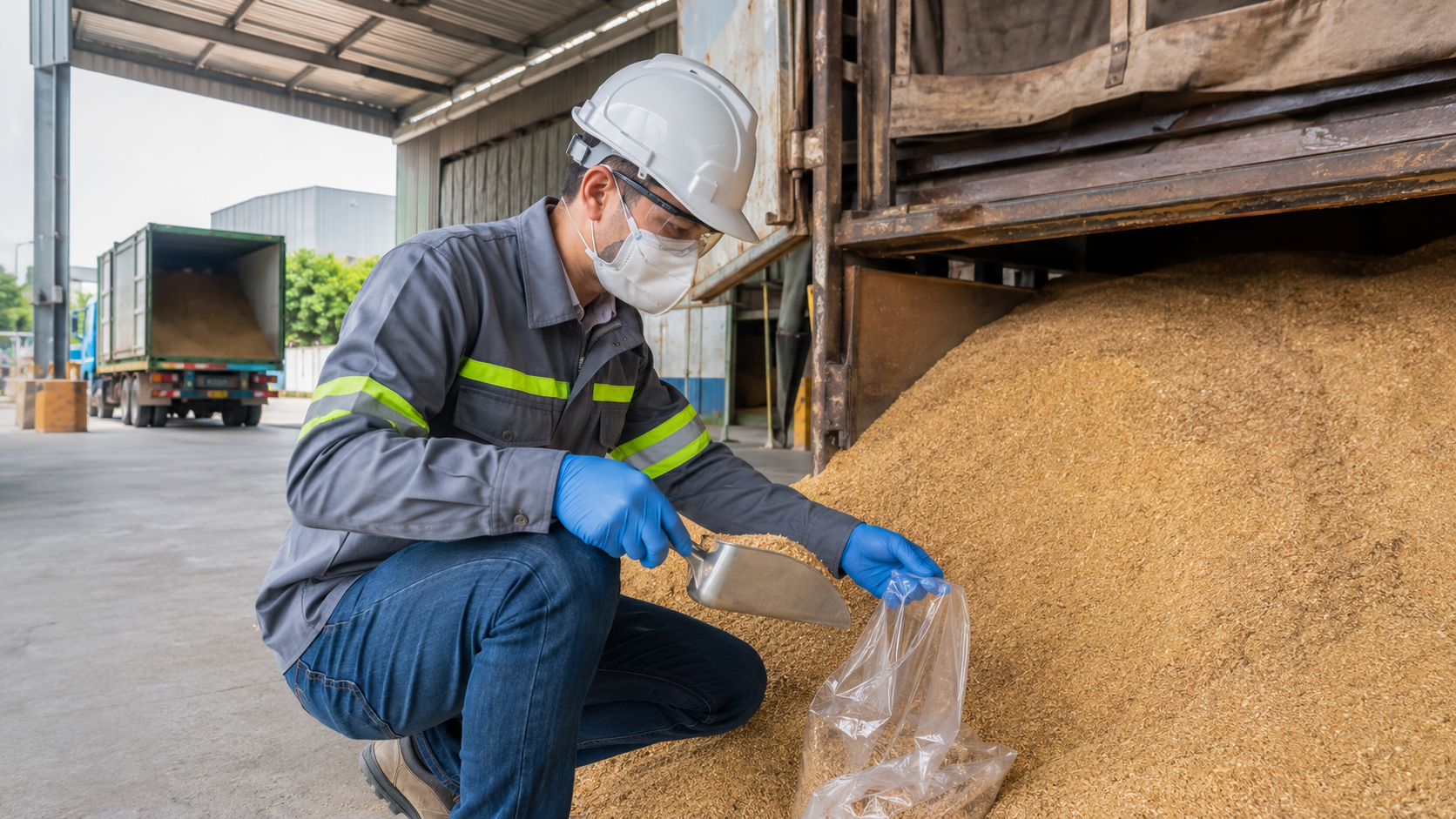
For international feed suppliers, product quality is no longer judged only by the specifications printed on a technical data sheet.
Customers and regulators increasingly want to understand how raw materials are controlled, how production is monitored, how finished products are tested and whether relevant records can be traced when needed.
This means standardized SOPs, laboratory inspection and clear technical documentation are becoming increasingly important components of international feed trade.
For feed additive manufacturers serving overseas markets, strong quality systems not only help maintain product consistency but can also support smoother communication with importers, distributors and regulatory authorities.
As global feed trade becomes more regulated, companies that combine reliable manufacturing with transparent quality management will be better prepared to meet changing market requirements.
Source: U.S. Food and Drug Administration Import Alerts 71-04 and 99-41, August 2026.
Contact: Highvarve Sales Team
Phone: 18660168226
Email: hhfeed@haihuabio.com
Add: Building 1, 10F, A4, Greenland Guojin Tiandi, Lixia District, Jinan, Shandong, China