
A recent heatwave in Europe has raised concerns about livestock health and farm productivity. According to Reuters, Belgium issued a rare red alert for extreme heat as temperatures were expected to reach up to 40°C. The high temperatures have affected livestock such as dairy cows and pigs, with farmers reporting lower feed intake, reduced activity, and declining production performance.
Heat stress is one of the most important seasonal challenges for modern livestock farming. When animals are exposed to high temperatures for a long period, they often eat less, move less, and spend more energy trying to regulate body temperature. This can directly affect milk production, meat growth, feed efficiency, and overall animal welfare.
For feed mills and animal nutrition companies, the issue highlights the need for practical nutritional strategies during hot seasons. Stable feed quality, gut health support, mold control, and efficient nutrient utilization all become more important when animals face environmental stress. In high-temperature and high-humidity regions, feed storage conditions and raw material stability also need closer attention.
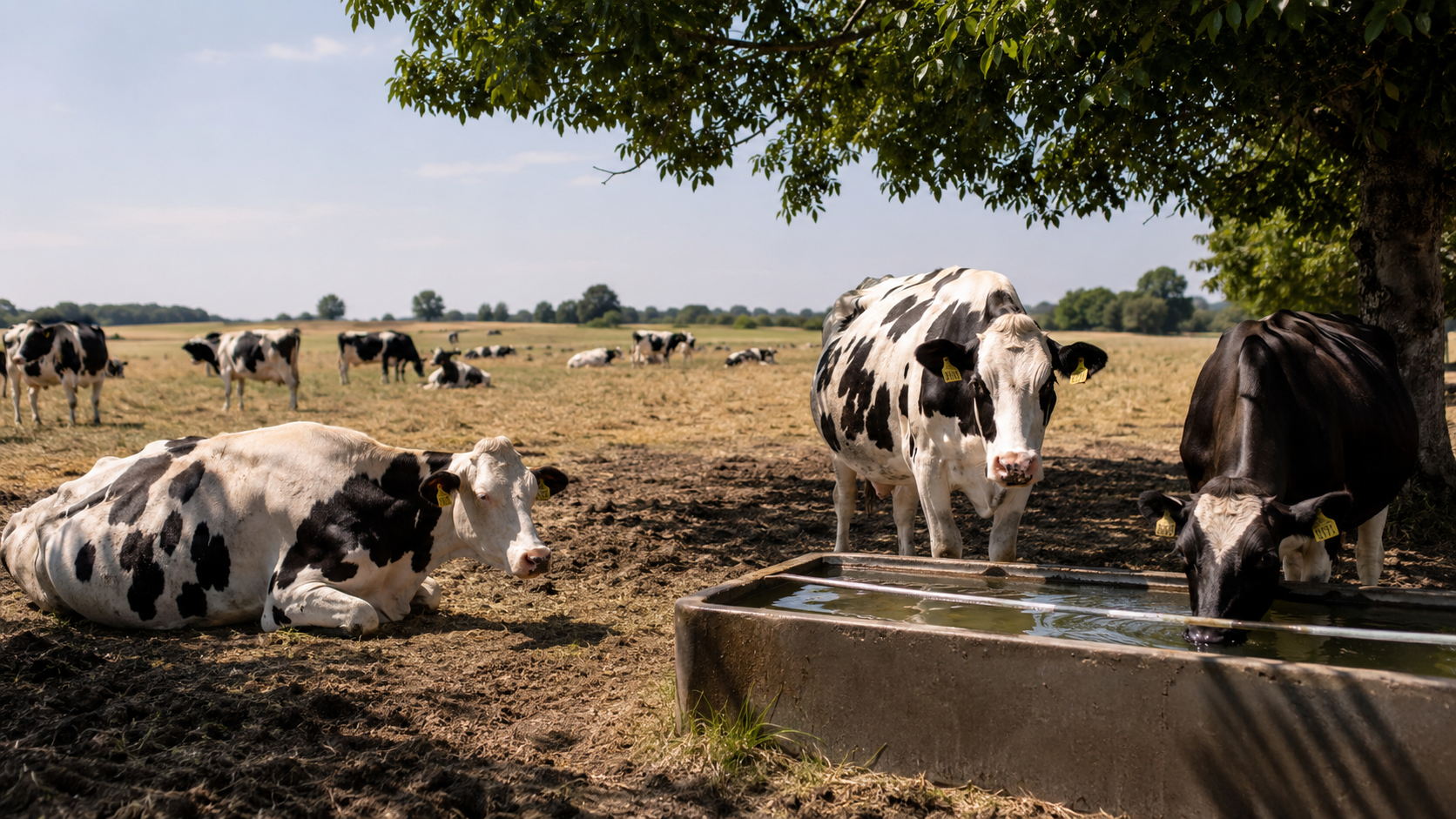
As climate uncertainty increases, livestock producers may need to prepare more complete heat stress management programs, including ventilation, water supply, feed adjustment, and nutrition support. Helping animals maintain normal intake and stable performance under stress will remain an important direction for the animal nutrition industry.
Source:
Reuters, “As Belgium bakes in the heat, concerns grow over milk and meat production,” June 25, 2026.
Contact: Highvarve Sales Team
Phone: 18660168226
Email: hhfeed@haihuabio.com
Add: Building 1, 10F, A4, Greenland Guojin Tiandi, Lixia District, Jinan, Shandong, China