
The European Union has begun applying new antimicrobial requirements to imports of food-producing animals and animal products from non-EU countries, raising compliance expectations for livestock exporters and supply chains serving the European market.
The rules took effect on September 3, 2026, under Article 118 of the EU Veterinary Medicines Regulation. Non-EU countries wishing to export eligible animals and animal products to the EU must now provide guarantees that certain antimicrobial practices prohibited within the EU are also not used in products destined for the European market.
Under the new requirements, exporting countries must ensure that antimicrobials are not used to promote animal growth or increase production yield.
They must also prevent the use of certain antimicrobial substances reserved in the EU for treating specific infections in humans. These measures form part of the EU’s broader strategy to address antimicrobial resistance under its One Health approach.
Only countries that provide sufficient guarantees of compliance are included on the EU list of authorized exporters.
EU border inspectors will check whether shipments are accompanied by the required health certification and whether the exporting country appears on the authorized list.
Depending on risk, border controls may also include identity checks, physical inspection, sampling and laboratory analysis.
For livestock exporters, this means production practices, veterinary drug management and traceability are becoming increasingly important parts of market access.
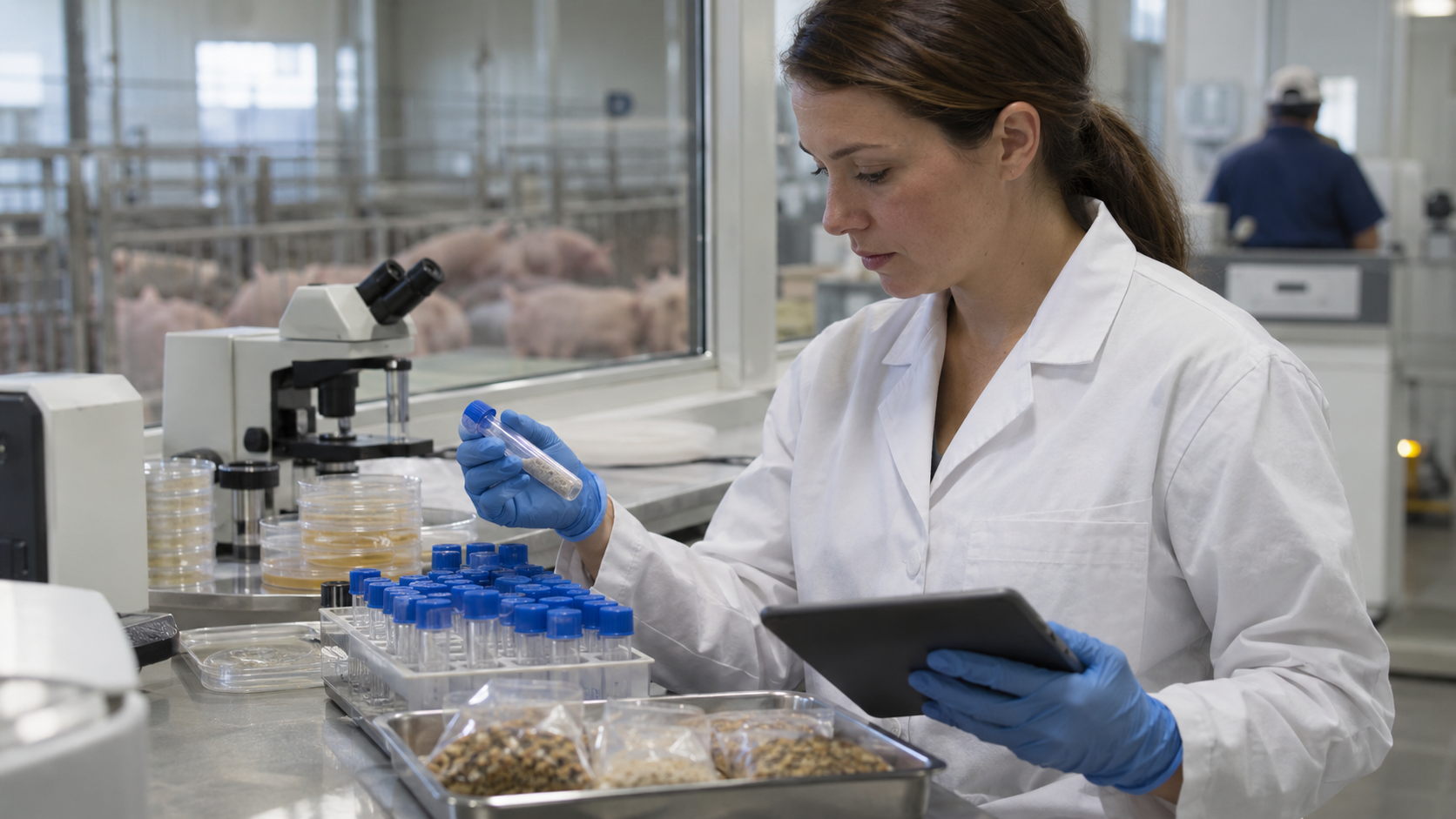
Although the regulation directly concerns animals and animal products rather than feed additives, it also reflects a broader change in livestock production.
As international markets place greater emphasis on responsible antimicrobial use, nutrition and feed management are becoming more important components of preventive animal health strategies.
Stable feed quality, appropriate nutrient supply, intestinal health management and consistent farm management can all support more resilient production systems while reducing unnecessary pressure on antimicrobial use.
For feed and animal nutrition companies, this creates greater demand for solutions that focus on animal health, feed efficiency and production stability rather than relying solely on therapeutic intervention.
International livestock trade is increasingly influenced by standards covering animal health, antimicrobial use, traceability and food safety.
For producers and suppliers serving multiple markets, meeting these requirements requires coordination across the entire production chain—from animal nutrition and farm management to veterinary practices, quality control and documentation.
The latest EU rules highlight a clear direction for the global livestock industry: responsible production practices and transparent quality management are becoming increasingly important for maintaining access to high-value international markets.
Source: European Commission, EU antimicrobial rules for imports of animals and animal products, effective September 3, 2026.
Contact: Highvarve Sales Team
Phone: 18660168226
Email: hhfeed@haihuabio.com
Add: Building 1, 10F, A4, Greenland Guojin Tiandi, Lixia District, Jinan, Shandong, China