
The European Food Safety Authority (EFSA) has published a new scientific opinion on the safety of formic acid and sodium formate as feed additives for all animal species.
Released on October 6, 2026, the assessment supports the renewal process for the existing authorizations of these substances, which are used in animal nutrition applications including feed hygiene management and silage preservation.
The findings highlight the continuing importance of organic acid technologies in feed safety, while emphasizing the need for appropriate handling procedures and regulatory compliance.
Formic acid and sodium formate are established technological additives in the European animal feed industry.
They are authorized for specific applications, including silage preservation and improving the hygienic characteristics of feed.
Under European Union regulations, feed additive authorizations are subject to periodic renewal, requiring applicants to demonstrate that products continue to meet relevant safety requirements.
The latest EFSA assessment examined information submitted by BASF SE, Perstorp AB and Taminco Finland Oy in support of the renewal of existing authorizations.
The review considered product specifications, manufacturing information, available scientific literature and safety data.
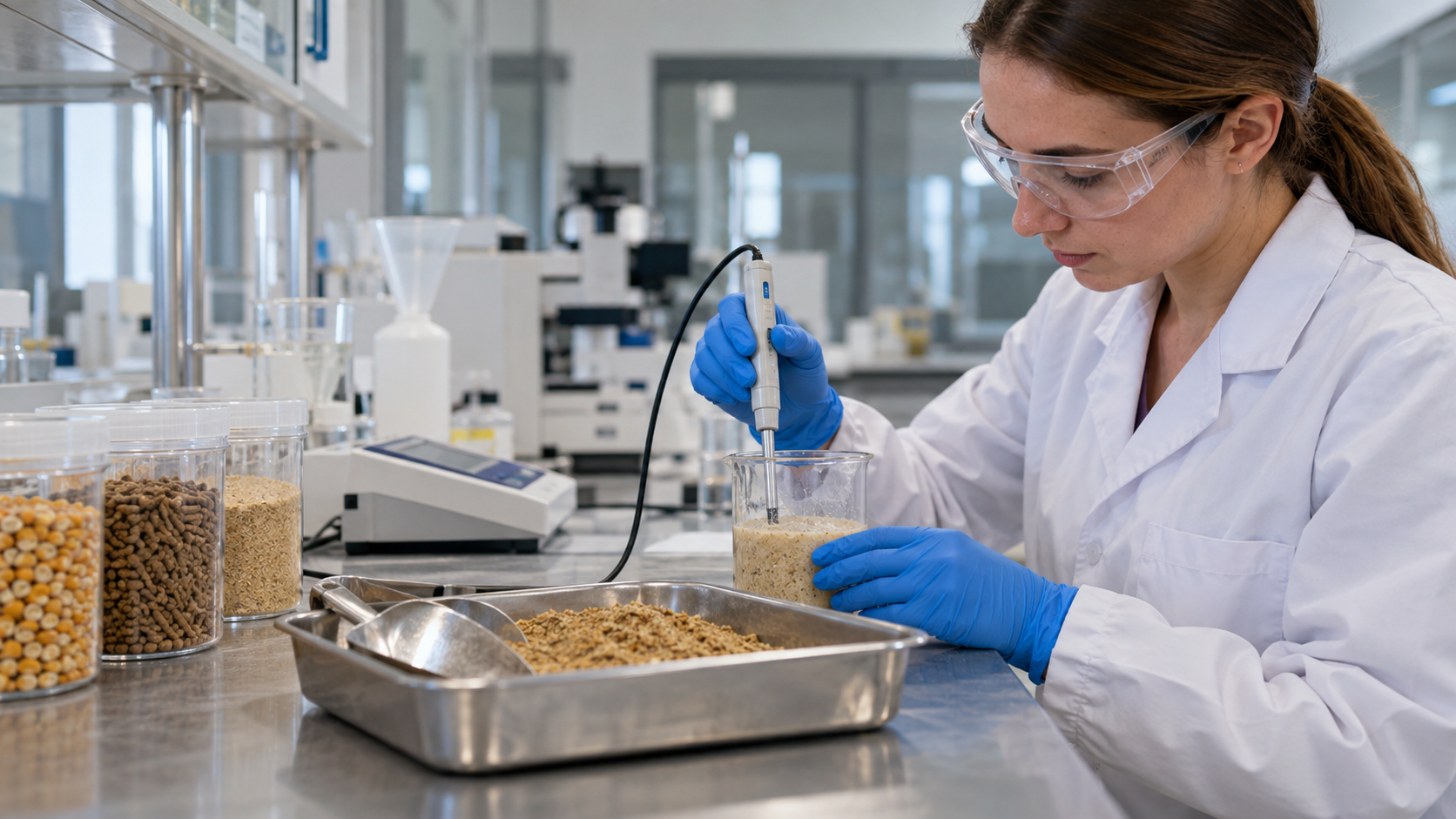
Following its assessment, EFSA's Panel on Additives and Products or Substances used in Animal Feed (FEEDAP) concluded that formic acid and sodium formate remain safe for target animals, consumers and the environment under their approved conditions of use.
This conclusion supports the existing scientific understanding of these substances when used within established regulatory limits.
The assessment did not introduce new conditions of use or require a reassessment of efficacy as part of the renewal process.
However, EFSA also identified occupational safety considerations.
Formic acid is corrosive, while sodium formate may present irritation and sensitization risks depending on its physical form.
These findings reinforce the importance of appropriate storage, protective equipment and safe handling procedures throughout the feed additive supply chain.
Organic acids and their salts are widely used in feed production for technological purposes.
Depending on their composition, authorization and application, acid-based additives may contribute to feed preservation, hygiene management and the control of undesirable microbial activity.
Feed manufacturers increasingly consider these functions as part of a broader feed safety strategy.
The effectiveness of feed hygiene management depends on several factors, including raw material quality, moisture, storage conditions, manufacturing practices and additive selection.
For this reason, organic acid technologies are generally most effective when integrated into a comprehensive feed quality management program rather than treated as a standalone solution.
The latest EFSA opinion also highlights the importance of maintaining consistent manufacturing specifications.
For international feed additive suppliers, product quality involves more than the intended functional benefits.
Raw material specifications, manufacturing consistency, impurity monitoring, technical documentation and appropriate labeling all contribute to regulatory compliance and reliable product supply.
These considerations become especially important when products are distributed across markets with different authorization requirements.
Feed manufacturers and distributors must also ensure that the selected additives are suitable for their intended applications and animal categories.
For companies operating in international animal nutrition markets, the latest assessment demonstrates the continued regulatory attention given to established feed additive technologies.
Even additives with a long history of commercial use remain subject to scientific review and ongoing compliance requirements.
The findings also highlight the importance of balancing functional performance with product safety, workplace protection and manufacturing quality.
As feed producers seek reliable solutions for improving feed hygiene and maintaining consistent production standards, the role of properly selected and controlled feed additives remains important.
EFSA's October 2026 assessment reinforces the significance of scientific evaluation in maintaining confidence in animal feed additives.
For the global feed industry, the wider message is clear: reliable animal nutrition depends on both effective formulation and consistent quality management.
From raw material selection and feed preservation to manufacturing controls and regulatory documentation, every stage contributes to feed safety.
As international animal nutrition markets continue to develop, suppliers that prioritize product consistency, technical reliability and responsible application will be better positioned to serve feed manufacturers and livestock producers worldwide.
Contact: Highvarve Sales Team
Phone: 18660168226
Email: hhfeed@haihuabio.com
Add: Building 1, 10F, A4, Greenland Guojin Tiandi, Lixia District, Jinan, Shandong, China